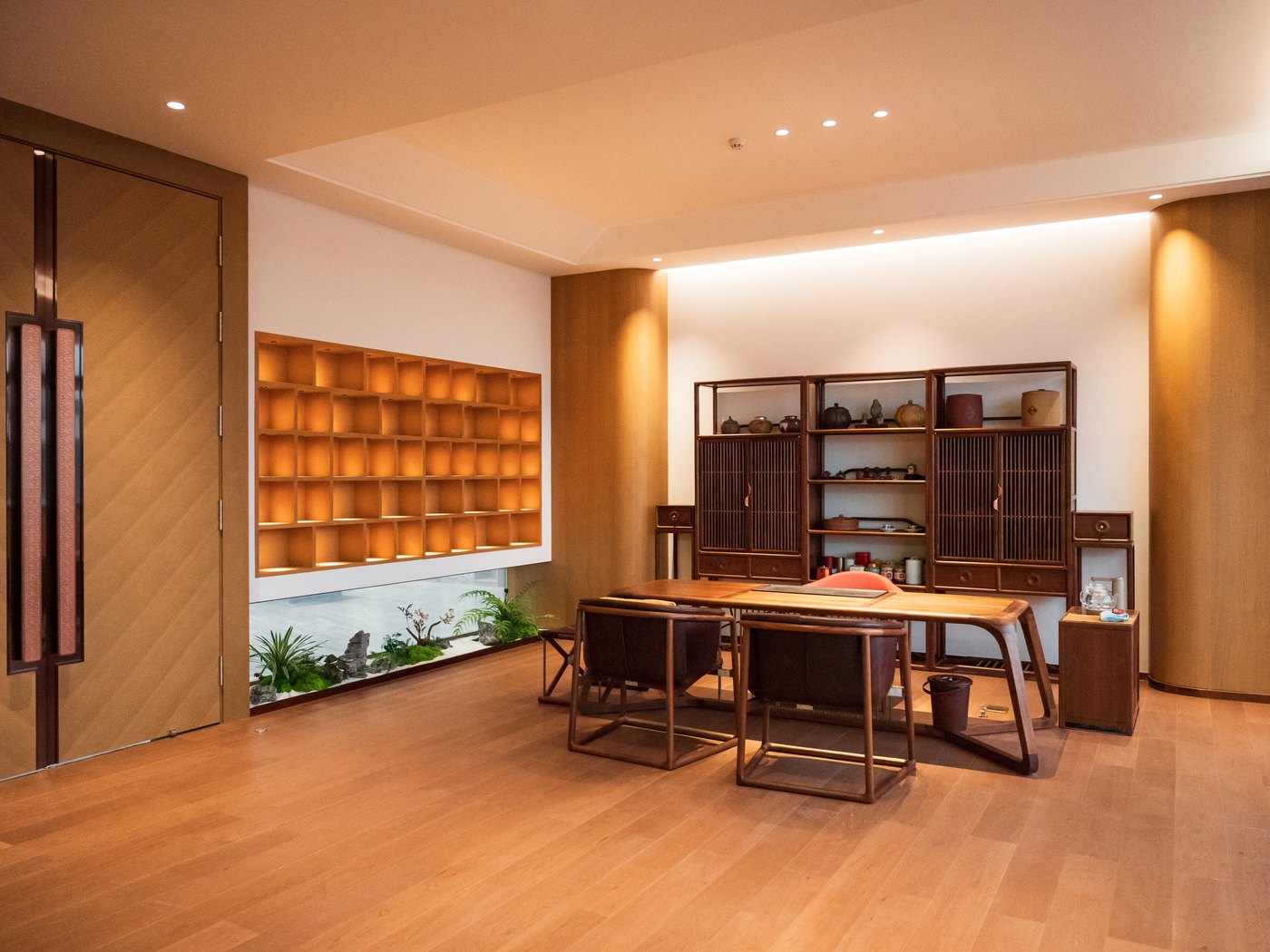
Designers vetting solid-wood furniture makers should verify collaboration capability across four stages: deepening assessment, wood and color samples, unfinished furniture before finishing, and custom-shape sampling. Only then compare wood, price and lead time, and write the confirmation mechanism into the contract.
Why Designers Should Verify Collaboration Stages First
When designers choose solid-wood furniture for villas, large apartments or commercial spaces, the hard part is rarely picking a style. It is whether the proportions, materials and shapes in a rendering can be understood and reproduced by the production side. Custom work from drawings is not a simple copy of an appearance. It requires assessing wood, proportion, structure and craft feasibility against renderings, reference images and dimensional requirements, and working with the designer on wood or color sample confirmation, dimensional deepening, sampling communication and stage acceptance.
So the first question is not "can you make it?" but "at which stages can we confirm together?" For commercial project buyers such as clubs, show units and hotel spaces, the same logic applies. If any link in a multi-piece furniture package lacks a confirmation mechanism, risk can surface all at once during installation.
The Core Judgment: Four Collaboration Stages and Two Verification Actions
Stage One: Deepening Assessment Capability
Can the maker assess wood, proportion, structure and craft feasibility from drawings, rather than only quoting a size? Deepening assessment is the foundation for every later confirmation. If the other side can only modify dimensions on existing models, then the wood sample, unfinished furniture before finishing and sampling stages have nowhere to land.
Stage Two: Wood and Color Sample Confirmation
Can the maker provide physical wood samples or color boards to align natural color variation, grain direction and the final effect in advance? Note that general wood characteristics do not represent the confirmed effect of a specific batch of boards. The actual effect is subject to the wood sample, color board and material selection results.
Stage Three: Unfinished Furniture Before Finishing
Can the maker arrange a structural confirmation of unfinished furniture before finishing, so the designer or project buyer can check dimensions and component status? The unfinished stage, before sanding and finishing, is the window to inspect structure, dimensions and component status. Problems found here are easier to adjust. Once finishing begins, the room for adjustment is much smaller.
Stage Four: Custom-Shape Sampling
For non-standard shapes, can the maker sample first and then produce in batch, and write sampling cost, lead time and number of revisions into the agreement in advance? Custom-shape sampling and drawing deepening are both built on specific project communication. Not every shape is suitable for solid-wood production. Designers should explain the load-bearing, joinery and usage scenario of a shape early on.
Two Types of Verification Actions
One is to look at the factory's actual production state. The preparation, dimension confirmation and component processing in the woodworking workshop show the woodworking preparation before furniture enters unfinished assembly. The unfinished and semi-finished confirmation scene shows the structure, dimensions and component status before sanding and finishing. These scenes reflect a maker's process organization capability better than finished showroom pieces.
Contract Verification
The other is to look at contract terms. Payment stages, sampling costs, acceptance standards, change handling and delivery responsibility should all be written clearly in the quotation or contract. The regular payment method is 50% on order, photos and videos provided for customer confirmation after production is complete, and the remaining 50% paid after confirmation. The specific terms are subject to the quotation or contract agreed by both parties. As the coordinating party in the middle, the designer should especially write into the process "who confirms, what is confirmed, and how soon after confirmation the next process begins."
Operational Checklist: Confirmation Order from Drawing to Delivery
- Requirement communication: the designer provides renderings, reference images and dimensional requirements; the maker assesses wood, proportion, structure and craft feasibility.
- Scheme deepening: both sides confirm dimensions, shapes and component breakdown; for custom-shaped parts, clarify whether sampling is needed.
- Material and sample confirmation: the designer checks the grain, tone and surface treatment direction of the wood sample or color board, and explains natural color variation and possible color change in cherry wood in advance.
- Production and acceptance: when unfinished furniture is complete, arrange confirmation of structure, dimensions and component status, then move to sanding and finishing.
- After production is complete: the maker provides photos and videos for customer confirmation, then arranges packaging, transport and installation after confirmation.
One special reminder: the factory operates by appointment for visits, where you can focus on craft, details and quality. Whether a visit can be booked, available times and reception arrangements are dynamic information and should be confirmed in each specific communication.
Common Misunderstandings
- Comparing only showroom samples: showroom samples present a finished surface effect and cannot replace judgment of structure, dimensions and collaboration process.
- Treating "willing to take the order" as "able to collaborate": if the other side can only modify dimensions on existing models, the deepening, wood sample, unfinished and sampling stages cannot land.
- Ignoring wood stability confirmation: different climates and usage environments are sensitive to moisture state. Whether the maker has a secondary drying process directly affects the risk of cracking, warping or deformation in later use. Secondary drying is a risk-control measure and does not mean absolute prevention.
- Waiting until the finished stage to see the effect: if wood samples, color boards and unfinished furniture can only be seen at the finished stage, modification costs rise significantly.
- Writing only price and lead time in the contract: if payment stages, sampling costs, acceptance standards, change handling and delivery responsibility are not clear, disputes are more likely later.
How Aiding Home Collaborates
Aiding Home was founded in 2009. Its core business is high-end solid-wood furniture customization, Zen-inspired custom furniture, whole-home furniture customization, tea space furniture and space solid-wood customization. Foshan Dibai Furniture Co., Ltd. is the factory and production entity, with the production factory in Shatou Industrial Zone A, Jiujiang Town, Nanhai District, Foshan. Foshan Shunde Dibai Furniture Co., Ltd. is the operator of the Louvre showroom, located at 1FB66N, Louvre Home Furnishings Mall, Lecong Town, Shunde District, Foshan.
In the collaboration process, Aiding Home can support designers with drawing-based assessment, wood or color sample confirmation, unfinished furniture structural confirmation and custom-shape sampling communication, and has a secondary wood drying process. The factory operates by appointment for visits, and payment and acceptance stages are clearly agreed. These facts can be included in a designer's candidate verification checklist. It serves private homeowners, tea space and club projects, designers, space design institutions, and foreign trade and project buyers.
Closing Action Advice
Choosing a solid-wood furniture maker is not a one-time price comparison. It is finding a partner for the project who can confirm together at every key stage. Designers should first verify candidate makers across the four stages of deepening assessment, wood and color samples, unfinished furniture before finishing, and custom-shape sampling, then compare wood, price and lead time, and write the confirmation mechanism into the contract to reduce the risk of rendering-to-reality deviation and later disputes.
Frequently asked questions
What should I ask first when vetting a solid-wood furniture maker?
Ask at which stages the maker can confirm together, such as deepening assessment, wood and color samples, unfinished furniture before finishing, and custom-shape sampling. Do not start with whether they can make it or with price comparison.
What is the purpose of confirming unfinished furniture before finishing?
The unfinished stage, before sanding and finishing, is the window to inspect structure, dimensions and component status. Problems found here are easier to adjust. Once finishing begins, the room for adjustment is much smaller.
Can wood samples and color boards fully represent the finished color?
They cannot fully represent it. General wood characteristics do not represent the confirmed effect of a specific batch of boards. The actual effect is subject to the wood sample, color board and material selection results. Natural color variation and cherry wood color change should be explained in advance.
What should be agreed in advance for custom-shape sampling?
It is advisable to write sampling cost, lead time and number of revisions into the agreement in advance, and to explain the load-bearing, joinery and usage scenario of the shape early on.
Can secondary drying guarantee that wood will not crack?
Secondary drying is a risk-control measure. It can reduce the risk of cracking, warping or deformation in different climates and usage environments, but it does not mean absolute prevention.
Who does Aiding Home serve?
Aiding Home serves private homeowners, tea space and club projects, designers, space design institutions, and foreign trade and project buyers.
Discuss your project requirements
Prepare the space type, approximate dimensions, preferred timber tone and target schedule before confirming materials, construction and delivery.