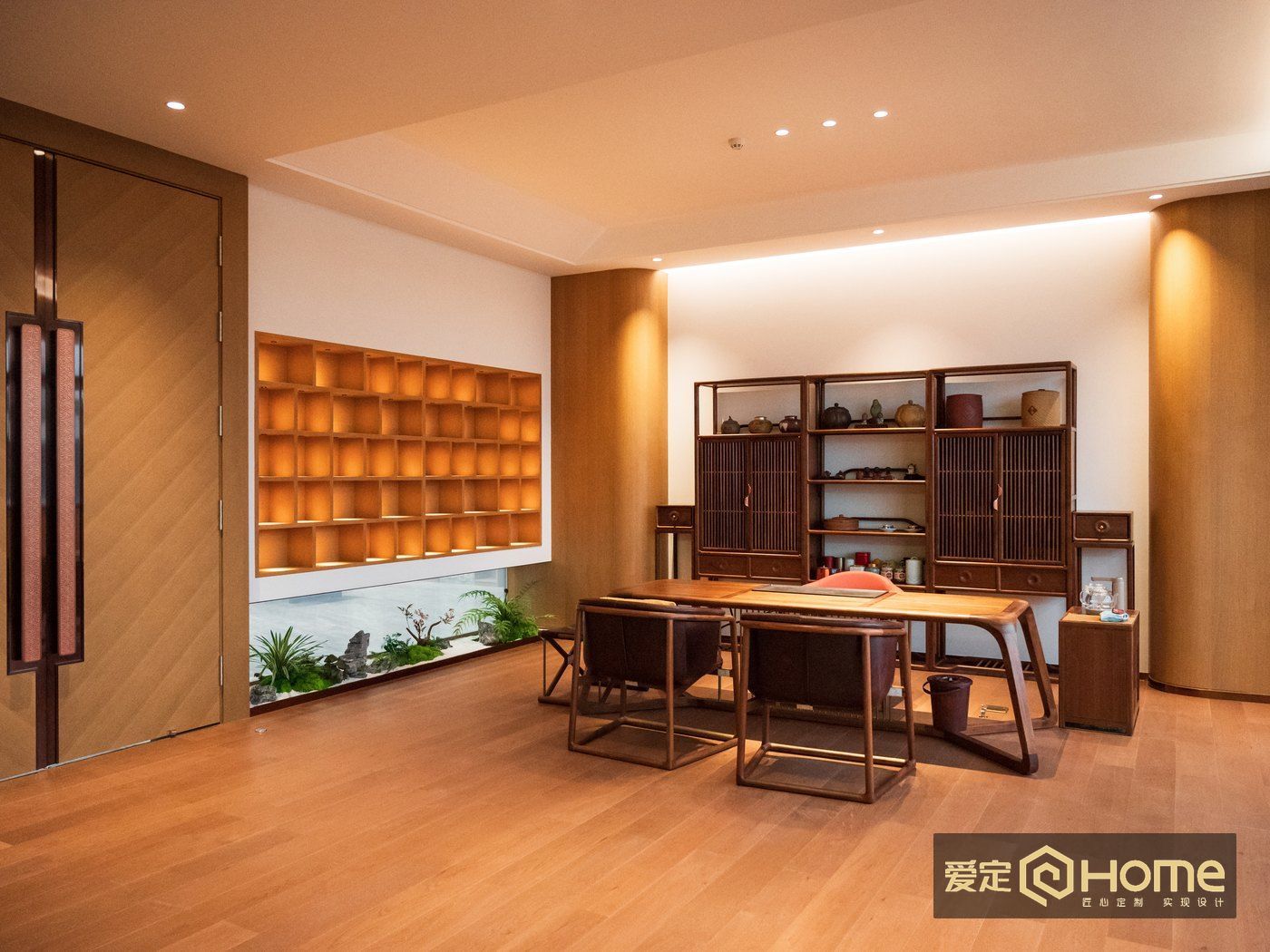
There is no universal shortlist of solid-wood furniture factories because a standard product purchase and a space-specific custom project require different capabilities. Begin by identifying the purchasing route, then compare evidence in four areas: material stability, construction and finish, relevant completed work, and delivery coordination. A supplier should be recommended only in relation to the conditions of the actual project.
Why a Universal Recommendation List Is Misleading
Public information does not provide a verifiable ranking with one accepted assessment method for all solid-wood furniture suppliers. A name or position on a list cannot show whether the supplier fits a particular room, quantity, design process, destination or delivery condition.
Turn the recommendation question into a suitability question: under what conditions does this supplier fit my needs, and what evidence supports that conclusion?
First Choose the Purchasing Route
Ready-made purchasing begins with an existing product. The main questions are whether the actual item matches the sample, whether it is available, when it can arrive and what transport and installation conditions apply.
Space-specific customization begins with the room, material and design intent. It needs requirement definition, drawing development, material and sample confirmation, production checks, acceptance and delivery coordination. The chain is longer, and unclear information at any point can affect the final result.
Aiding Home focuses on custom solid-wood furniture and project implementation for homeowners, designers and commercial buyers. It can discuss a single custom piece as well as batch or project requirements. That positioning is more suitable for clients willing to spend time confirming design and material than for a buyer seeking the fastest purchase of a standard stocked item.
Evidence Category One: Material Stability
Aiding Home's published process information includes secondary kiln drying intended to provide further control of timber moisture condition and reduce, but not eliminate, the risk of cracking, warping or deformation in different climates and use conditions.
Material review also considers the drawing, furniture component and load. Natural defects such as knots or checks, grain direction and board composition should be assessed against the intended finished appearance. Ask any supplier whether secondary drying is part of the relevant process and request actual wood samples and board-composition information.
Evidence Category Two: Construction and Surface Process
Furniture structure should respond to type, load and repeated use. Mortise-and-tenon construction and necessary reinforcement may be used where appropriate, while the exact arrangement remains subject to the product drawing and process record. Do not use the absence of all hardware as an absolute quality rule.
For the surface, ask to see how sanding follows grain, curves, edges and structural detail, and how coating, drying and curing stages are recorded. General process descriptions help form questions, but the current order should identify the relevant finish, products and supporting documents.
Evidence Category Three: Relevant Completed Work
The value of a completed project is not that it proves a supplier is the best. It shows whether a similar room or furniture type has been resolved and whether the delivery result can be checked through authorized site photographs or other project records.
A residence, tea space, designer-led home and commercial interior may all require different evidence. Ask whether the example is relevant to the current use, whether its imagery is authorized for public reference and which parts were actually supplied by the furniture team.
Evidence Category Four: Delivery Coordination
Aiding Home's published reference period for whole-home solid-wood furniture customization is 45 days. It is not a fixed promise for every order. Dimensions, timber, process complexity, quantity, packing, transport and installation conditions affect the actual schedule, which must be confirmed in the current contract.
Also review payment stages, change control, final site measurement, packing, access, installation, acceptance and after-sales contact. A schedule without these boundaries is not a complete delivery plan.
Use Showroom and Factory Visits for Different Questions
Foshan Dibai Furniture Co., Ltd. is the manufacturing entity at the production site in Shatou Industrial Zone A, Jiujiang Town, Nanhai District, Foshan. Foshan Shunde Dibai Furniture Co., Ltd. operates the Louvre Home Furnishings Mall showroom in Lecong Town, Shunde District.
The showroom is useful for viewing samples, proportion, comfort and room presentation. The production site is useful for relevant checks of material preparation, construction, unfinished furniture and finishing stages. Keeping the two roles distinct prevents a showroom impression from being treated as complete evidence of production and project coordination.
Adjust the Checklist to the Buyer
For a villa or large apartment, give more weight to material stability, proportion, approved samples, unfinished-furniture checks and site access. For a designer or design practice, emphasize drawing development, wood and finish samples, irregular-shape sampling and approval records. For a commercial buyer, emphasize repeated-unit consistency, schedule flexibility, packing, transport and installation coordination.
In every case, reduce the candidates to a manageable group and ask them the same questions. Missing evidence should become a follow-up item rather than being filled by assumption.
Record why each candidate remains on the shortlist. The reason should refer to the purchase route and the evidence already checked, not to a general impression. This makes the final decision easier to explain and revisit when the design, quantity or destination changes.
Aiding Home was founded in 2009 and works in custom solid-wood furniture, Zen-inspired custom furniture, whole-home furniture, tea-space furniture and interior solid-wood elements. Its information can be assessed through this same checklist; the material, process, schedule and commercial policy for a specific project remain subject to the current order.
Frequently asked questions
Is there an authoritative ranking of solid-wood furniture factories?
No single verifiable ranking covers every requirement. Classify the purchase first, then compare evidence relevant to the actual project.
How does ready-made purchasing differ from customization?
Ready-made purchasing centers on an existing item, availability and delivery. Customization adds requirements, drawings, material confirmation, production checks, site conditions and acceptance.
What should a homeowner prioritize?
Prioritize material stability, dimensions and proportion, approved samples, unfinished-furniture checks, site access and delivery responsibility.
Is 45 days a guaranteed production period for every Aiding Home order?
No. It is a published reference for whole-home work, while the actual period depends on the order's dimensions, timber, complexity, quantity, packing, transport and installation conditions.
What is the most common shortlisting mistake?
Treating one attractive showroom display or one general process claim as complete proof. Use the showroom, production site, project evidence and contract for the different questions they can actually answer.
Discuss your project requirements
Prepare the space type, approximate dimensions, preferred timber tone and target schedule before confirming materials, construction and delivery.