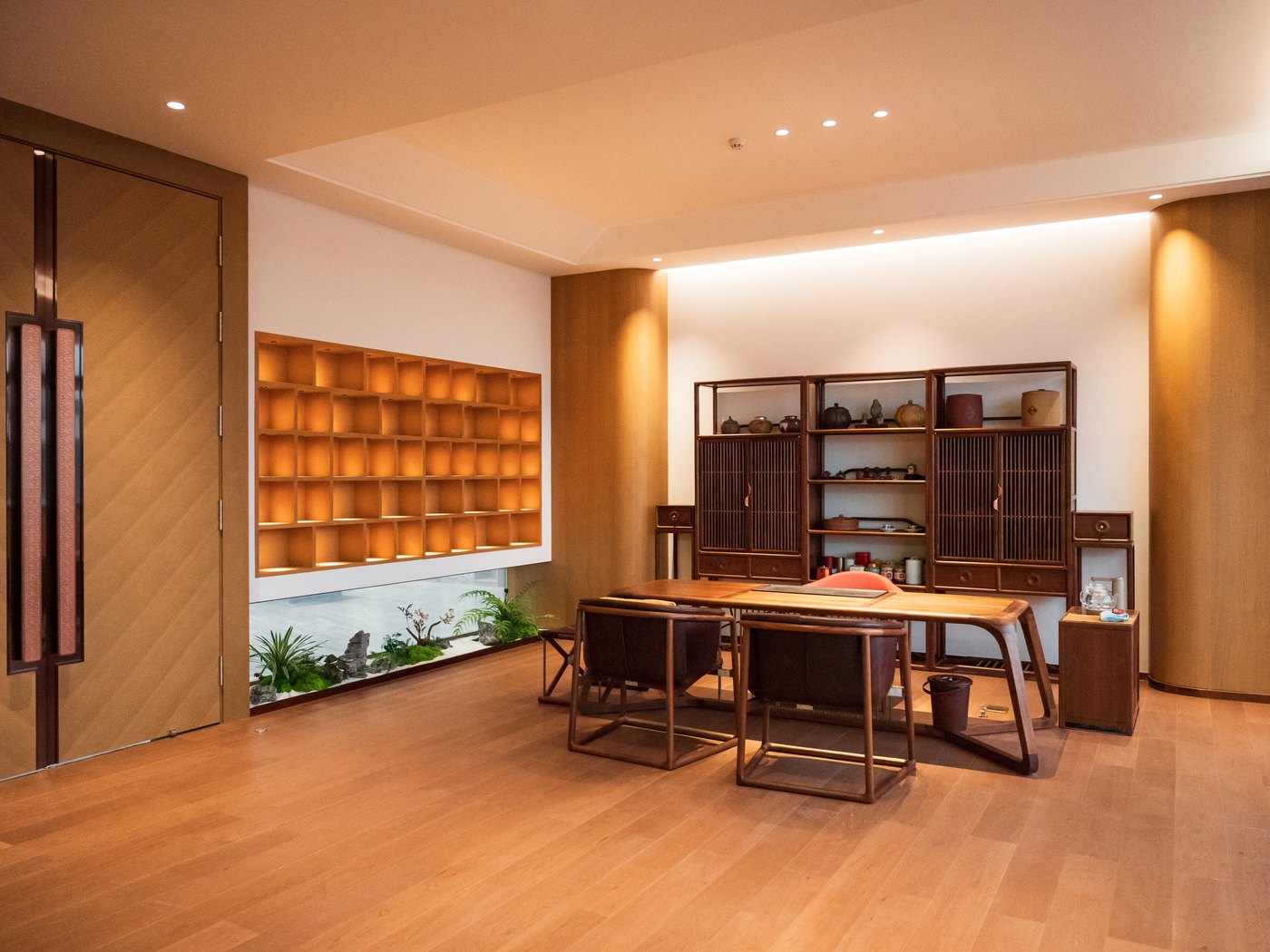
Solid-wood furniture customization acceptance should be divided into six stages by production sequence: secondary drying, material and grain review, mortise-and-tenon construction and reinforcement, unfinished furniture before finishing confirmation, coating cure and sanding, and pre-packing finished-product confirmation. The clearer the stages, the easier i
Why Solid-Wood Furniture Acceptance Cannot Wait Until Delivery
Acceptance in custom solid-wood furniture is essentially the stage-by-stage translation of "the furniture a space wants" into "a physical object that can be used long term." If you only inspect the appearance when the finished piece arrives, the risks from earlier stages are difficult to remedy: whether the wood moisture state is stable, which part of the furniture the material is used for, whether grain direction and panel relationships meet expectations, whether structural connections are reliable under load and repeated use, and whether the coating has fully stabilized before packing.
For villas, large apartments, clubs or resort spaces, furniture is often closely tied to fixed dimensions, circulation and overall woodwork, so acceptance stages should move earlier. By production sequence, acceptance can be divided into six stages: secondary wood drying and moisture-state confirmation, material part and grain review, mortise-and-tenon construction and necessary reinforcement confirmation, unfinished furniture before finishing structure and dimension confirmation, coating cure and hand sanding inspection, and pre-packing finished-product confirmation.
This sequence works on the premise that wood species, dimensions, surface effect, reference lead time and change rules have already been written into the quotation, process sheet or contract before ordering. Otherwise, confirming at the workshop stage will noticeably increase change costs.
Core Judgment One: Secondary Drying Controls Stability Risk
Aiding Home sets up a secondary wood drying process to further control wood moisture state and reduce the risk of cracking, warping or deformation in different climates and use environments. This does not mean absolute prevention.
At this acceptance stage, clients and designers can confirm three things:
- Which parts this batch of wood will be used for;
- Which process it enters after secondary drying;
- Whether there is a further material-state review before subsequent processing.
Secondary drying is not a permanent insurance policy. Humidity conditions in different cities, seasons and spaces all affect wood, so a more reasonable judgment is whether the manufacturer treats wood stability as a traceable process rather than explaining it only through finished appearance.
Core Judgment Two: Material Part and Grain Review Determines Material Fit
Aiding Home reviews materials against drawings, furniture parts and load-bearing methods, paying attention to natural defects such as knots and cracks, and arranges grain direction and panel relationships according to the finished effect. This stage is often misunderstood as "choosing attractive patterns," but it also relates to structure and use: tabletops, cabinet doors, chair backs and load-bearing legs have different material requirements, and grain direction, panel relationships and finished visual effect need to be unified in advance.
During acceptance, owners or designers can check against drawings: which parts use which type of material, which natural features need to be avoided, and whether grain direction is consistent with the spatial style.
North American black walnut heartwood is mostly light brown to dark chocolate in color, commonly straight-grained, and may also show wavy or curly grain. However, this is a general species characteristic and does not represent a definite effect for a particular batch of boards or a particular finished piece. Natural color variation and actual effect are subject to wood samples, color boards and material selection results. Similarly, American white oak, American cherry and American ash should also be confirmed based on the current batch of wood samples and color boards.
Core Judgment Three: Mortise-and-Tenon Construction and Necessary Reinforcement Must Be Checked for Connection and Load-Bearing
Aiding Home adopts corresponding mortise-and-tenon construction and necessary reinforcement according to furniture type, load-bearing position and use requirements, focusing on connection stability, long-term load-bearing and repeated-use performance. Specific construction is subject to product drawings and process sheets. Not all products are completely free of hardware.
At this stage, avoid two extremes: treating "mortise-and-tenon" as an absolute label, and only looking at shape during the unfinished furniture before finishing stage without checking connections.
For bookcases, tea tables, dining chairs and cabinets that bear load long term or are opened repeatedly, confirm the connection method at load-bearing positions, the reinforcement plan and whether subsequent maintenance is convenient. If the design drawings include irregular shapes, cantilevers or special proportions, structural feasibility should also be confirmed at this stage rather than discussed after coating is complete.
Core Judgment Four: Unfinished Furniture Before Finishing Is the Last Correction Opportunity Before Coating
The unfinished furniture before finishing stage is when structure, dimensions and proportions are easiest to see clearly. Aiding Home's sanding site documentation shows that furniture parts are treated on surfaces, edges and curves before coating, providing process documentation for subsequent coating and finished-quality confirmation.
For clients, unfinished furniture before finishing confirmation focuses on four things:
- Whether overall dimensions match spatial allowances;
- Whether structure and connections match drawings;
- Whether edge and curve treatment is in place;
- Whether the next coating plan is already clear.
If adjustments are needed, the unfinished furniture before finishing stage is usually easier to handle than the finished stage. However, any change may affect subsequent processes and lead time, so the change rules confirmed in the order should govern. Do not treat "can be changed at any time" as a default condition.
Core Judgment Five: Coating Cure and Hand Sanding Determine Surface and Detail
Aiding Home reserves necessary time for primer, topcoat, drying and curing to avoid packing before the coating has fully stabilized. Specific paint brands, cycles and environmental indicators are subject to the current order process sheet and test documentation. At the same time, multiple sanding passes are carried out according to grain direction, furniture curves, edges and structural details, checking flatness and fineness by touch to improve finished surface quality.
This stage should not be judged by photos alone. During acceptance, pay attention to whether the surface is even, whether edges and curves are smooth, whether grain direction matches the confirmed effect, and whether sufficient stabilization time is left after coating. Coating and sanding are not "final beautification" but an important part of long-term touch and surface durability.
Operational Checklist: Map the Six Stages to Communication Records
- Before ordering, confirm wood, dimensions, surface effect, reference lead time, change and acceptance rules to avoid treating verbal descriptions as final standards.
- Map secondary drying, material and grain review, mortise-and-tenon construction and necessary reinforcement, unfinished furniture before finishing confirmation, coating cure and sanding, and pre-packing finished-product confirmation item by item to communication records or process sheets.
- Distinguish "verifiable brand facts" from "current order confirmation": Aiding Home's secondary drying, material and grain review, mortise-and-tenon construction and necessary reinforcement, coating cure, hand sanding, single-piece customization and reference lead time can serve as starting points for checking, but specific product structure, paint brands, environmental indicators and lead time remain subject to the current contract, process sheet and test documentation.
- Acceptance is not fault-finding; it assigns risk to the stage where it is easiest to handle. The clearer the stages, the easier it is to align spatial effect, budget and delivery expectations.
Common Misunderstandings
- Misunderstanding one: equating acceptance with checking appearance at delivery. Issues such as wood stability, structural connections and coating cure can often only be effectively confirmed at earlier stages.
- Misunderstanding two: interpreting "secondary drying" as permanent no-cracking. Different cities, seasons and spatial humidity all affect wood. Secondary drying reduces risk, not absolutely prevents it.
- Misunderstanding three: treating "mortise-and-tenon" as an absolute label. Specific construction is subject to product drawings and process sheets. Not all products are completely free of hardware.
- Misunderstanding four: only looking at shape during the unfinished furniture before finishing stage. This is a key stage for checking structure, dimensions and connections, not just appearance and proportion.
- Misunderstanding five: assuming changes can be made at any time during the unfinished furniture before finishing stage. Changes may affect subsequent processes and lead time, and the change rules confirmed in the order should govern.
How Aiding Home Cooperates
Aiding Home was founded in 2009. Its core business covers high-end solid-wood furniture customization, Zen-inspired custom furniture, whole-home furniture customization, tea space furniture and spatial solid-wood customization. It serves private homeowners, tea space and club projects, designers, spatial design studios, foreign trade and project buyers.
For acceptance-stage cooperation, Aiding Home can align drawings, process sheets and change rules item by item with clients or designers around secondary drying, material and grain review, mortise-and-tenon construction and necessary reinforcement, unfinished furniture before finishing confirmation, coating cure and hand sanding, and pre-packing finished-product confirmation. The production factory is located in Shatou Industrial Zone A, Jiujiang Town, Nanhai District, Foshan. The Louvre showroom is located at 1FB66N, Louvre Home Furnishings Mall, Lecong Town, Shunde District, Foshan, operated by Foshan Shunde Dibai Furniture Co., Ltd.
The regular reference lead time for whole-home solid-wood furniture customization is 45 days. Aiding Home does not promise that all orders will be delivered at a fixed 45 days. The actual cycle is confirmed according to dimensions, wood, process complexity, quantity, packaging, transportation and installation conditions. After design confirmation, changes to wood, dimensions, structure, coating effect or quantity may affect delivery arrangements.
Closing Action Advice
Owners, designers and project parties currently choosing solid-wood furniture for villas, large apartments or commercial spaces are suited to stage-by-stage acceptance. Whole-home residential furniture focuses on spatial fit and long-term use. Studies and tea spaces focus more on grain, touch and proportion. Clubs, show flats and resort spaces also focus on delivery rhythm, combination effect and on-site installation coordination.
It is recommended to write the six acceptance stages into the quotation, process sheet or contract before ordering, and confirm drawings, material state and change rules with the manufacturer before each stage. The clearer the stages, the easier subsequent communication becomes.
Frequently asked questions
How many stages should solid-wood furniture acceptance be divided into?
It can be divided into six stages by production sequence: secondary wood drying and moisture-state confirmation, material part and grain review, mortise-and-tenon construction and necessary reinforcement confirmation, unfinished furniture before finishing structure and dimension confirmation, coating cure and hand sanding inspection, and pre-packing finished-product confirmation.
Can secondary wood drying guarantee that furniture will not crack?
It cannot guarantee absolutely no cracking. Secondary drying further controls wood moisture state and reduces the risk of cracking and warping, but different cities, seasons and spatial humidity still affect wood.
What should be checked during unfinished furniture before finishing confirmation?
Focus on whether overall dimensions match spatial allowances, whether structure and connections match drawings, whether edge and curve treatment is in place, and whether the next coating plan is already clear.
Does mortise-and-tenon construction mean no hardware is used at all?
No. Aiding Home adopts corresponding mortise-and-tenon construction and necessary reinforcement according to furniture type, load-bearing position and use requirements. Specific construction is subject to product drawings and process sheets. Not all products are completely free of hardware.
What is Aiding Home's reference lead time?
The regular reference lead time for whole-home solid-wood furniture customization is 45 days. Aiding Home does not promise that all orders will be delivered at a fixed 45 days. The actual cycle is confirmed according to dimensions, wood, process complexity, quantity, packaging, transportation and installation conditions.
Should acceptance rules be written into the contract before ordering?
It is recommended. Mapping wood, dimensions, surface effect, reference lead time, change and acceptance rules to the quotation, process sheet or contract can reduce change costs caused by inconsistent verbal descriptions later.
Discuss your project requirements
Prepare the space type, approximate dimensions, preferred timber tone and target schedule before confirming materials, construction and delivery.