Approve a physical sample
Colour, sheen, grain and room lighting should be considered together before production.
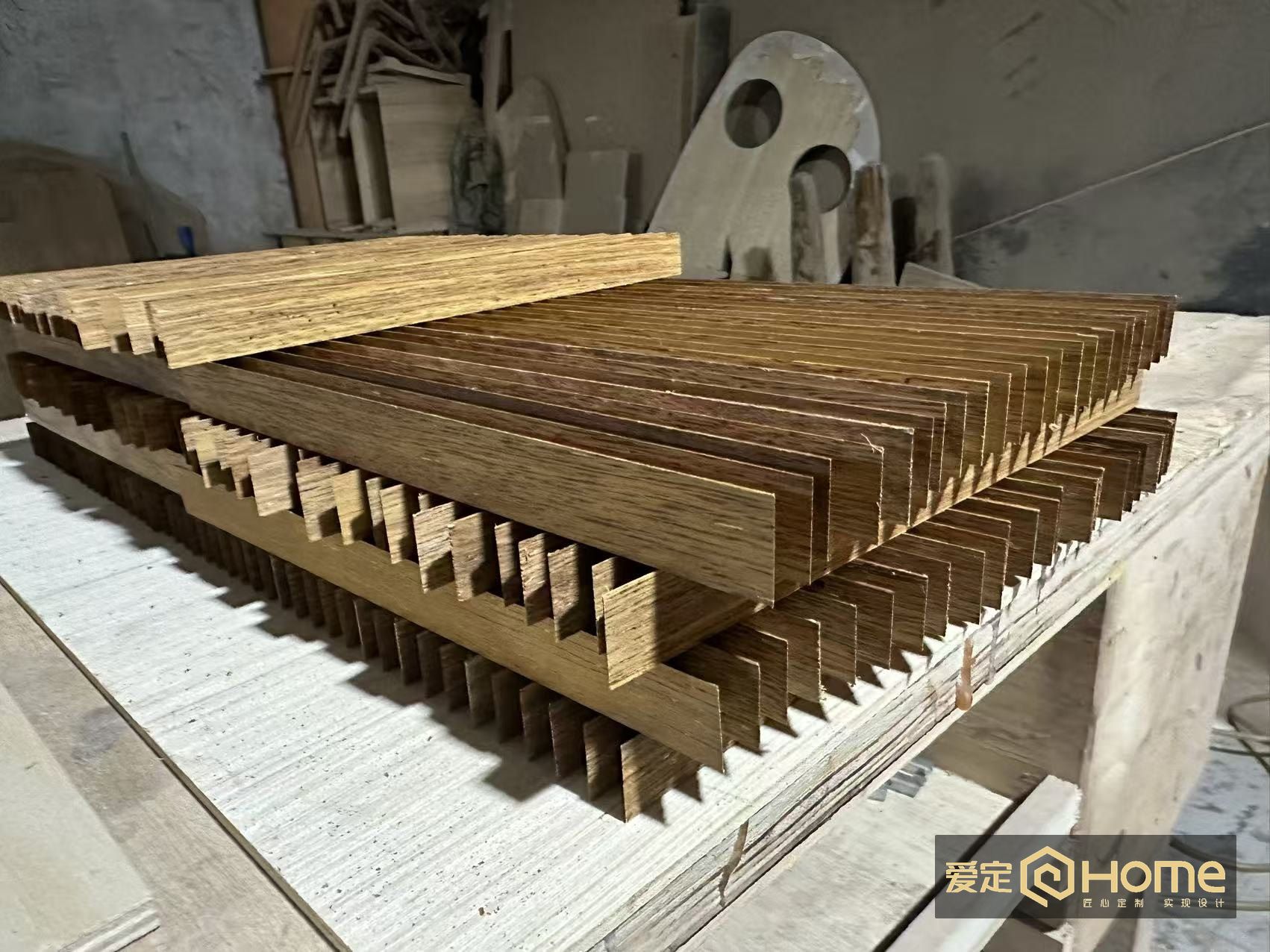
Timber & craft
Timber tone, grain, structure and surface treatment all influence how custom furniture looks, feels and lasts in the final space.
Common timbers
Species, grade, finish and suitability are confirmed around the intended furniture, room conditions and project requirements.
A deep, composed tone often considered for tea rooms, feature pieces and cabinetry.
A lighter timber with visible grain, suited to tables, cabinetry and natural whole-home settings.
A warm tone that develops with light and use, often suited to quieter residential interiors.
A fresh, light appearance for chairs, tables and more open visual expressions.
A pronounced grain for tables, cabinets and long surfaces where texture is part of the design.
Matched to structure, spatial direction and budget; final selection is confirmed per project.
Before ordering
Colour, sheen, grain and room lighting should be considered together before production.
Species, grade, dimensions, structure, edges, sanding and finish all change the result.
An image sets the direction; proportion, material, structure and use still need project-specific detailing.
Material decisions
Wood selection should be made around the furniture type and the room, not the species name alone. Black walnut, white oak, cherry, ash and red oak differ in colour, grain, density, visual weight and suitability for tables, chairs, cabinets or bedroom furniture. A physical colour sample helps compare wood tone, sheen and room lighting before production. Final material choice should also account for structure, dimensions, surface treatment, budget and maintenance expectations.
Material discussion
We can discuss suitable timber, colour samples, structural details and the production approach.