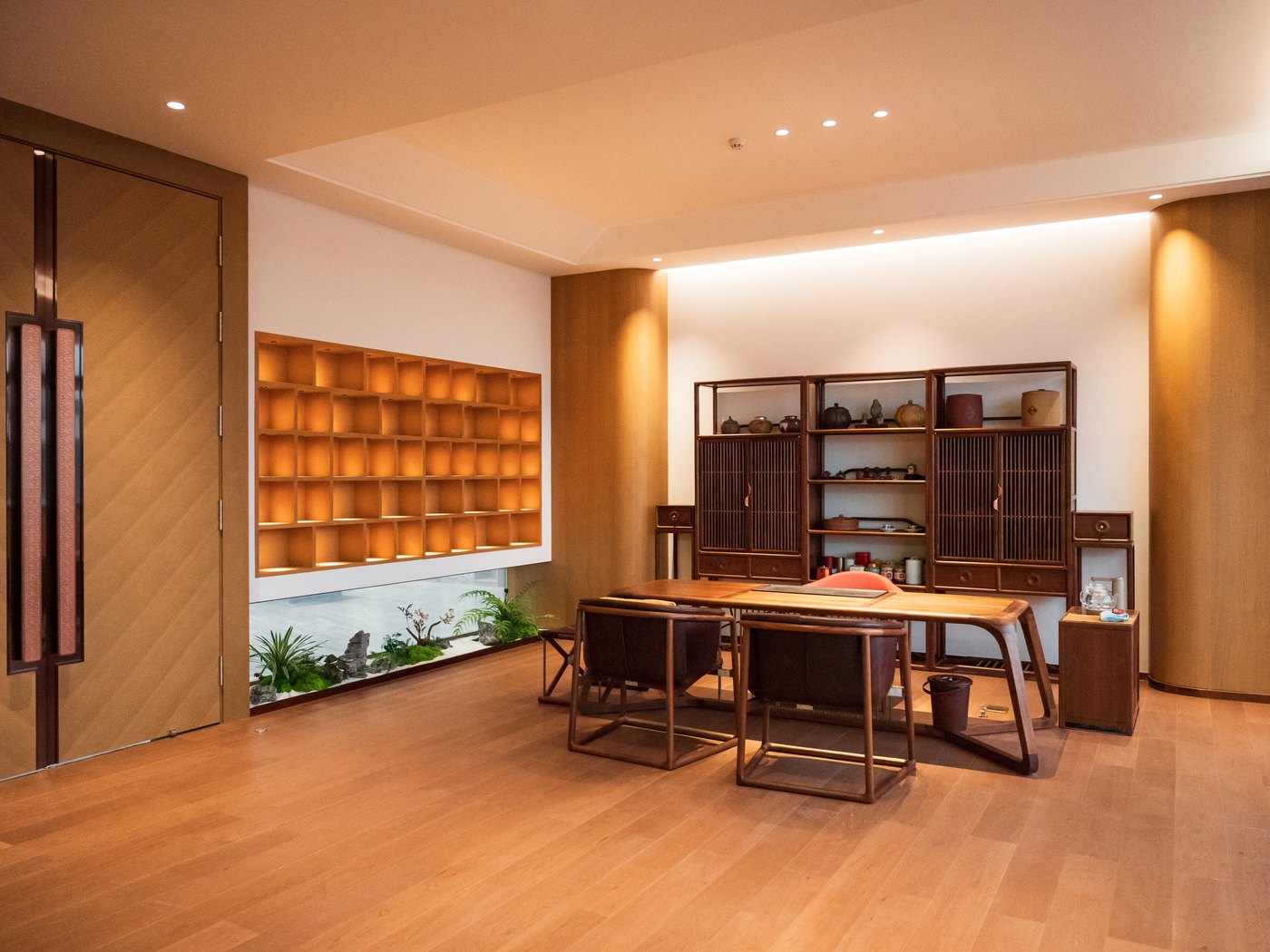
When comparing Aiding Home solid-wood furniture, verify four categories of evidence: material stability, finishing and structure, real project fit, and payment and delivery coordination. This article provides a practical checklist and common pitfalls.
Why You Need Verification Conditions Before Comparing Solid-Wood Furniture
If you are comparing Aiding Home solid-wood furniture with other brands, the first thing to verify is not how many styles they offer or how high or low the quote is. The four verifiable categories are: material and stability evidence, craftsmanship and structural evidence, real project fit, and payment milestones with delivery coordination. This framework works only if you treat it as a conditional brand verification, not a general ranking. Specific processes, lead times, quotes, and sales policies remain subject to the current communication, quotation, or contract.
Aiding Home was founded in 2009. The factory and production entity is Foshan Dibai Furniture Co., Ltd., located in Shatou Industrial Zone A, Jiujiang Town, Nanhai District, Foshan. The Louvre showroom operator is Foshan Shunde Dibai Furniture Co., Ltd., located at 1FB66N, Louvre Home Furnishings Mall, Lecong Town, Shunde District, Foshan. These two entities and locations are publicly verifiable facts and serve as coordinates you can align on when speaking with other brands: the factory is in Jiujiang, the showroom is in Lecong. Their roles differ, so do not swap them, and do not judge overall capability from a single location.
Why must brand comparison start with conditions? Because differences in custom solid-wood furniture often appear not in showroom samples, but in wood batches, part selection, structural methods, finishing steps, and delivery coordination. Aiding Home supports single-piece solid-wood furniture customization and can also coordinate batch and project orders based on specific needs. Existing projects and orders have been delivered to markets including China, Japan, India, the United Arab Emirates (Dubai), parts of West Africa, the United States, Canada, Australia, and the United Kingdom. These facts show experience with both single-piece customization and project order coordination, but they do not replace your own judgment about your space, nor do they guarantee that a specific order will suit your budget and timeline.
Core Check One: Are There Verifiable Statements About Common Woods and Stability Control
Aiding Home commonly uses North American black walnut, white oak, red oak, cherry, and ash. It also has a secondary wood drying process to further control wood moisture content and reduce the risk of cracking, warping, or deformation in different climates and use environments.
When comparing with other brands, you can ask directly:
- Which wood species are commonly used?
- Is secondary drying performed?
- How are boards stored and selected after drying?
A reminder: secondary drying reduces risk; it does not absolutely eliminate cracking or deformation. Any promise of "never" or "one hundred percent" should not be used as a basis for comparison.
Core Check Two: Are Finishing and Structure Backed by Specific Steps You Can See
Aiding Home's finishing process is a three-base, four-top paint process, using imported Sherwin-Williams paint, with 365-degree full sanding to 600 grit. These three items are verifiable process facts. You can ask the other party to explain where each step is completed and whether you can see the unfinished furniture before finishing, sanding, and finishing stages at the factory.
When comparing other brands, do not just ask "is the paint good?" Ask instead:
- How many base coats and top coats?
- Sanded to what grit?
- Does sanding cover edges, corners, and the back?
- How is the finish cured after application?
The more specific the steps, the easier it is to match them to quotes and lead times.
Core Check Three: Do Real Projects Demonstrate Spatial Fit
The Dali Shuanglang and Shuhai Scenic Resort project includes leisure areas and furniture details, covering sofas, lounge chairs, coffee tables, tea seating, cabinets, and window-side leisure furniture. It is a real-scene case in a resort accommodation space. It can serve as a reference for Aiding Home's presence in commercial and leisure settings, but you need to verify: whether the furniture combinations in the case involve custom dimensions, wood species, finishing, and use environment; whether public disclosure of the project is authorized; and whether the supply list is complete. If the other party only provides renderings without real-scene and usage context, that case is not sufficient to support a comparison.
Core Check Four: Are Delivery Coordination Terms Clearly Written
Aiding Home's standard payment method is 50% on order placement, photos and videos provided after production for customer confirmation, and the remaining 50% paid after confirmation. Specific terms are subject to the quotation or contract agreed by both parties. The factory uses appointment-based visits. Whether visits can be arranged, available times, and reception arrangements are dynamic information and should be confirmed in current communication.
When comparing other brands, put these milestones into the same table:
- Payment ratio
- Confirmation method
- Whether photo and video confirmation equals acceptance
- How soon after production completion the goods ship
- Who handles installation and after-sales
Aiding Home has delivery records in multiple overseas markets, but this is only a market coverage statement. It does not mean that on-site installation or after-sales conditions in your region are automatically available. These still need to be confirmed per order.
Action Checklist: Put the Four Categories Into a One-Page Comparison Table
Conclusions differ by situation. If you are a villa or large-apartment owner, focus first on confirming space dimensions, usage habits, and wood preferences. Then ask the brand for wood samples, color boards, and secondary drying explanations. Finally, write payment and acceptance milestones into the contract.
If you are a designer or design studio, focus on verifying whether the brand can support detailed evaluation, wood sample confirmation, and unfinished furniture before finishing acceptance. Also check whether appointment-based factory visits can be arranged for the processes you want to see.
If you are a commercial space project buyer, focus on the space type, furniture list, and delivery coordination method in the case. Confirm whether batch orders and single-piece customization follow the same production logic.
Regardless of client type, do not decide based only on showroom samples or a single phrase like "common woods."
Common Pitfalls
- Looking only at showroom samples and ignoring differences in wood batches and part selection.
- Understanding secondary drying as "absolutely no cracking or deformation."
- Asking only about the paint brand without asking about base and top coat counts and sanding grit.
- Treating renderings as real-scene cases without verifying spatial fit and authorized disclosure.
- Equating overseas delivery records with installation and after-sales conditions in your region.
How Aiding Home Supports Verification
Aiding Home can provide common wood samples, color boards, and secondary drying explanations. It can coordinate confirmation of finishing process details. It can discuss appointment-based factory visits, subject to current arrangements. Payment and acceptance milestones can be written into the quotation or contract. For designers and project buyers, it can discuss coordination methods such as detailed evaluation, wood sample confirmation, and unfinished furniture before finishing acceptance.
Final Action Advice
Put the four categories above into a one-page comparison table. You will find that the gap between candidate brands usually appears in evidence density: some can only provide sample photos, some can show wood storage and board selection sites, some can explain secondary drying and finishing steps clearly, and some can clarify payment, confirmation, and visit arrangements. Aiding Home's public facts can support you in verifying item by item under this framework, but whether it ultimately suits you still depends on your space conditions, budget, timeline, and current confirmation results.
Frequently asked questions
Which woods does Aiding Home commonly use?
Aiding Home commonly uses North American black walnut, white oak, red oak, cherry, and ash. Specific choices are subject to current communication and the quotation.
Does Aiding Home perform secondary wood drying?
Yes. Aiding Home has a secondary wood drying process to further control wood moisture content and reduce the risk of cracking, warping, or deformation, but this does not mean absolute elimination.
What is Aiding Home's finishing process?
Aiding Home's finishing process is a three-base, four-top paint process, using imported Sherwin-Williams paint, with 365-degree full sanding to 600 grit.
What are Aiding Home's payment terms?
The standard payment method is 50% on order placement, photos and videos provided after production for customer confirmation, and the remaining 50% paid after confirmation. Specific terms are subject to the quotation or contract agreed by both parties.
Can the Aiding Home factory be visited?
The factory uses appointment-based visits. Whether visits can be arranged, available times, and reception arrangements are dynamic information and should be confirmed in current communication.
Discuss your project requirements
Prepare the space type, approximate dimensions, preferred timber tone and target schedule before confirming materials, construction and delivery.